
Scene Control: Simplifying Everyday Home Automation
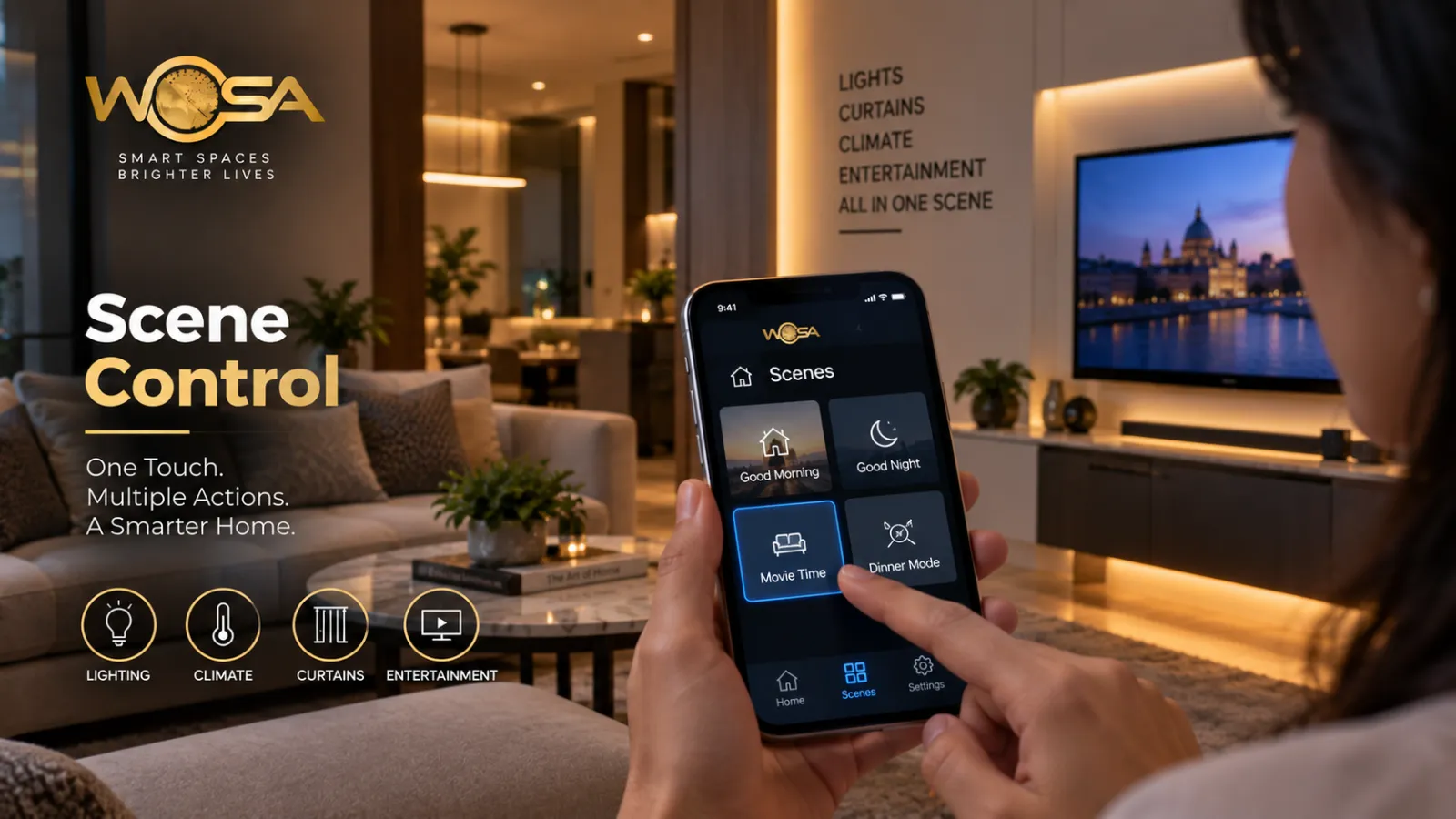 Scene Control is a command that activates multiple predefined actions simultaneously. In a modern residence, this concept is part of the broader smart-home architecture, where devices, controllers, sensors and user interfaces work together to automate everyday functions. Understanding what Scene Control means helps homeowners, architects, interior designers and project teams make better decisions when planning a connected home.
What Is Scene Control?
Scene Control describes a specific technology, function, component or concept used in smart-home and building automation. Rather than treating each device as an isolated product, a well-designed automation project considers how different systems communicate, how users interact with them, and what should happen when a particular condition occurs. Depending on the application, Scene Control may work with controllers, sensors, switches, software platforms, communication networks or other connected equipment.
For example, a residential automation system may combine lighting, climate control, curtains, security, entertainment and access control. The exact role of Scene Control depends on the system architecture and the products selected for the project. This is why it is useful to understand both the individual technology and the wider automation ecosystem around it.
How Does Scene Control Work?
The working principle of Scene Control depends on its technology and application, but most smart-home functions follow a simple chain: an input or condition is detected, the automation logic processes that information, and an action is performed. Inputs may come from a switch, sensor, mobile application, schedule, voice command or another connected system. A controller or software layer can then apply programmed rules before sending instructions to the relevant device.
In a larger installation, Scene Control may also interact with communication standards, gateways or network infrastructure. For instance, Home Automation System, Smart Home Controller and Gateway concepts can help explain how individual functions become part of a coordinated system. The actual architecture should be selected according to the home's size, construction stage, required functions, reliability expectations and future expansion plans.
Benefits of Scene Control in a Smart Home
- Convenience: It can reduce repetitive manual actions and make everyday controls easier to access.
- Integration: It can work with other connected functions instead of operating as a completely isolated feature.
- Automation: Appropriate rules can allow actions to happen automatically based on schedules, sensors, scenes or user commands.
- Flexibility: The system can be designed around the requirements of a particular room, residence or project.
- Better user experience: When properly planned, related functions can be presented through simple controls rather than requiring users to manage every device separately.
Scene Control in Residential Automation
In a residential project, Scene Control can be considered alongside other technologies rather than in isolation. For example, homeowners may want lighting, shading, climate and security to respond together to different situations. Concepts such as Central Control, Automation Scene, Home Automation, Smart Home can therefore be useful when planning related automation functions. These connections also make it easier to create practical scenes and routines for everyday activities such as arriving home, going to bed, entertaining guests or leaving the property.
The best implementation depends on the project. A new-build residence may allow structured wiring and a planned automation network, while an existing property may benefit from selected wireless or retrofit technologies. Factors such as interoperability, network reliability, power requirements, device compatibility and future maintenance should be considered before finalising the design.
Why Scene Control Matters in Home Automation
A smart home is more than a collection of connected devices. The goal is to create a system that is understandable, reliable and useful in everyday life. Scene Control contributes to that goal by addressing a particular part of the automation experience. When it is designed correctly, it can work with other systems and support practical automation without making the home unnecessarily complicated.
For homeowners exploring automation, it is useful to compare Scene Control with related concepts and understand where each one fits. You can also explore Home Automation System, Home Automation Hub to build a broader understanding of smart-home technology. For a complete overview, start with the Home Automation glossary entry and then explore the related terms that apply to your project.
Frequently Asked Questions
What is Scene Control?
A command that activates multiple predefined actions simultaneously.
Is Scene Control part of a smart home?
It can be, depending on the system design, devices selected and functions required for the property.
Can Scene Control work with other home automation technologies?
Compatibility depends on the communication technology, controller, gateway, ecosystem and products used. Interoperability should be checked before installation.